
Residential Formaldehyde Removal at Zero Cost!

Formaldehyde has become a major pollutant endangering human health!
Formaldehyde causes serious health damage to fetuses, pregnant women, infants, children, young adults, and the elderly. However, not everyone pays attention to its dangers, nor does everyone understand how to prevent and control it.

The volatilization period of formaldehyde lasts as long as 10 to 15 years. Although "airing out after renovation" is common knowledge, relying solely on a few months of ventilation cannot completely remove formaldehyde pollution.
The saying "environmental protection depends on wind" also applies to indoor pollution prevention and control. In Singapore, about 80% of residents live in HDB flats. The living habits of most families involve opening windows and using fans for ventilation and cooling.

Singapore has a tropical rainforest climate; by 8:30 a.m., the sun is already shining brightly. When windows are opened, high temperatures accelerate formaldehyde release, while sea breezes quickly disperse it. Even troublesome mold, when windows are under sufficient sunlight, is completely eliminated by the sun. As a result, many families naturally avoid the harm of formaldehyde, which also leads to a lack of awareness among some Singaporean residents regarding renovation pollution and formaldehyde hazards.
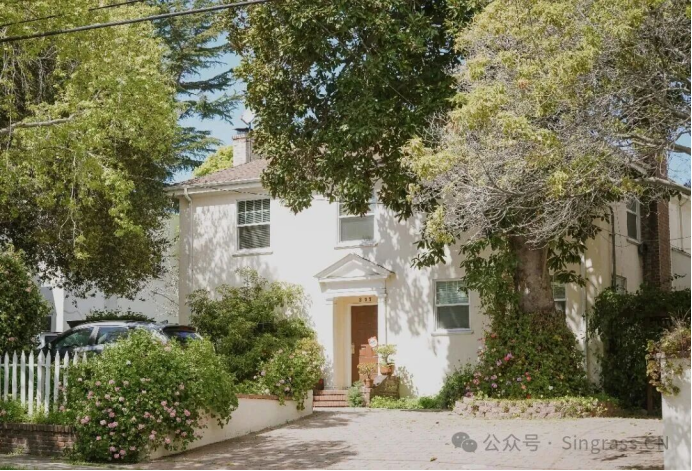
A growing number of young people prefer the coolness of air conditioning, using only air conditioning and not opening windows. Little do they realize that exposing oneself to air conditioning while drenched in sweat is not only bad for one's health, but also that keeping doors and windows closed causes formaldehyde to accumulate continuously, thereby causing irreversible damage to the body. We must make good use of the sunlight and wind that nature gives us for free.
On April 12, 2022, Lianhe Zaobao called for attention to formaldehyde pollution; on January 6, 2023, it further published an editorial stating, "Indoor formaldehyde pollution should be taken seriously."

How can formaldehyde be removed at zero cost in residential settings?
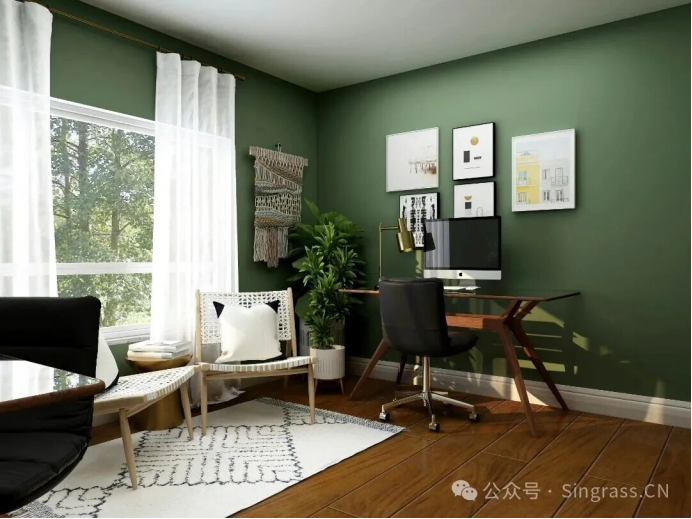
First, the vast majority of residential units have windows. Opening windows for ventilation is a free and highly effective method of formaldehyde removal. For residential units, "wind" here has two meanings: first, air convection; second, opening windows for ventilation when the weather is sunny. High temperatures accelerate formaldehyde volatilization. At such times, it is essential to open doors, windows, cabinet doors, and drawers to allow formaldehyde from composite wood panels, wallpaper, and carpets to be fully released and expelled with the wind.
What should be done at night, on rainy days, or in winter in temperate and cold zones when windows cannot be opened?

Formaldehyde is highly soluble in water. In newly renovated spaces, when windows are closed at night, on rainy days, or in winter, wide-mouthed, shallow pans filled with water can be placed inside cabinets and drawers, with the cabinet doors and drawers then closed. The next day, after opening the windows, open the cabinet doors and drawers, pour out the used water, and rinse the pans with tap water. Repeat this daily until the free formaldehyde released during the renovation period has been removed.
How should one deal with this situation in large commercial buildings that are sealed, windowless, or have windows that are locked?

The SINGRASS® Indoor Smart Eco System (ISES™), which integrates "screen aesthetics" and "air purification" functions, allows plants to act as natural "purification experts", achieving true ecological purification.

The SINGRASS® Indoor Smart Eco System (ISES™) provides multiple ecological values!
🌱 Air Purification: Green plants absorb CO₂ and release oxygen through photosynthesis, as well as absorb and metabolize some harmful gases.
🌱 Healthy Food: Vegetables that are zero-distance, zero-carbon-mileage, pesticide-free, and pollution-free can be picked directly for cooking, ensuring safety and health.
🌱 Visual Aesthetics: Green plants enrich the spatial hierarchy, reducing stress while being pleasing to the eye.
🌱 Green Loop: The hydroponic system recycles water, and residual plant material can be composted, achieving environmentally friendly office practices.


Photo taken in Shenzhen, China
The SINGRASS® Indoor Smart Eco System (ISES™) is not just an air purification device; it is also a representative of a green office culture. It allows a rich variety of leafy vegetables and herbs to become healthy companions in the office, helping enterprises create a truly healthy, sustainable, and vibrant working environment!


Comments