
Reducing formaldehyde and VOC Levels through SINGRASS® Indoor Smart Ecosystem


One of the key concerns raised in the recent CNA Talking Point feature is the accumulation of formaldehyde and other volatile organic compounds (VOCs) in indoor environments —especially in modern, enclosed homes.
The SINGRASS® Indoor Smart Eco-System (ISES™) is designed to support the reduction of these indoor pollutants through its integrated vegetable farming eco-system.

Unlike static decorative plants, ISES™ operates as a continuous hydroponic growing system, where actively growing vegetables interact with the surrounding air. It is a living indoor ecosystem designed to integrate:
Indoor vegetable cultivation (hydroponics)
Natural plant-based air interaction
Continuous indoor biological activity
Smart environment monitoring design
By combining plant growth with indoor air interaction, the system supports a more dynamic indoor environment compared to static furnishings or passive decor.

TÜV certification:
SINGRASS® Indoor Smart Ecosystem System (ISES™) is backed by TÜV certification, providing independent third-party validation of its safety and performance standards.

This certification strengthens confidence in the system’s material safety, design integrity, and operational reliability within indoor environments.
Measurable results that the ISES helps improve air quality
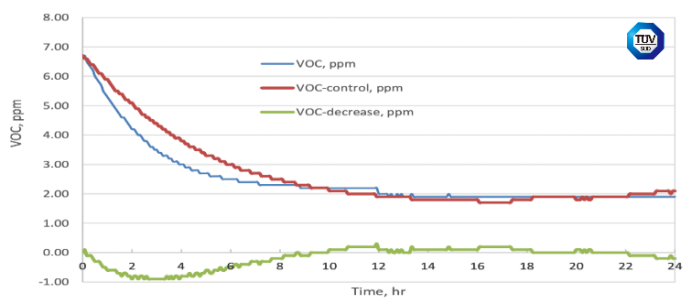
The impact of SINGRASS® ISES™ can be observed through monitored indoor air quality conditions before and after installation.
Below are sample results demonstrating reductions in formaldehyde and VOC levels in controlled indoor settings:

Rethinking indoor air: from passive control to living systems
Traditional approaches to indoor air quality often rely on:
Mechanical filtration (air purifiers)
Chemical neutralisers
Ventilation cycles
However, the growing awareness around indoor pollutants such as formaldehyde is shifting attention toward continuous, integrated environmental systems.
SINGRASS® ISES™ represents this shift—moving from passive air treatment toward living indoor ecosystems that combine food production with environmental interaction.


Comments